Christmas Santa Set Illustration Designs Review
First Impressions: Assessing Visual Weight for Stitch Translation
When evaluating the Christmas Santa Set Illustration Designs from a production standpoint, my first focus is always on how the digital artwork will translate into physical thread. As an experienced designer, I look past the initial charm of the graphics to analyze line weight, color separation, and negative space. This set arrives as high-resolution illustrations with a canvas size of 1920px x 1280px, which provides excellent clarity for digitizing reference. However, because this product is categorized under Illustrations and Graphics rather than pre-digitized machine embroidery files, it serves as a premium foundation for custom digitizing rather than a stitch-and-go solution.
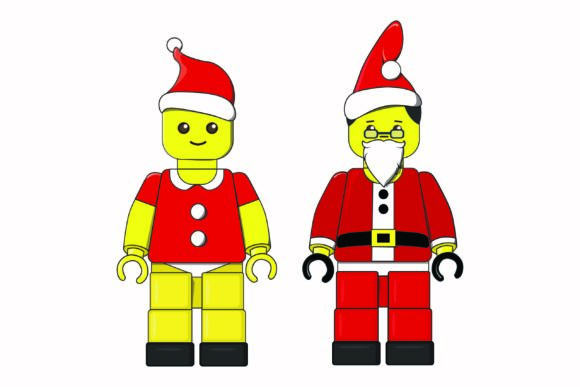
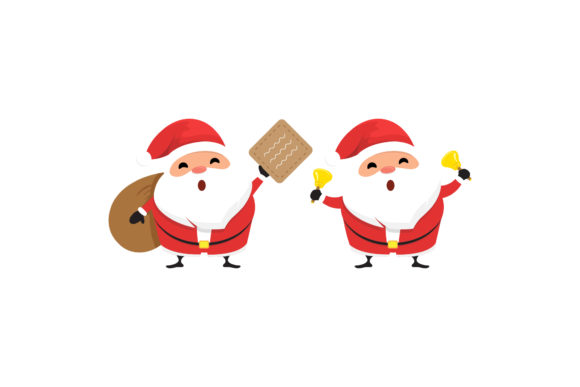
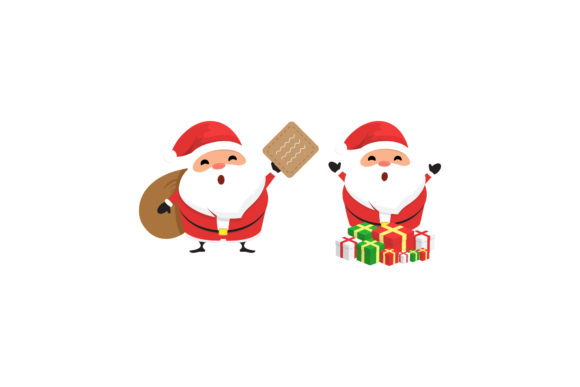
The visual personality of these Santa illustrations feels classic yet adaptable. The composition suggests a balance between traditional holiday nostalgia and clean vector aesthetics, which is crucial for modern commercial embroidery. When I review artwork for potential stitching, I am looking for defined shapes that can support satin stitches without excessive pull compensation issues. These designs appear to have distinct color blocking, making them strong candidates for both full fill stitch applications and mixed-media applique design projects. For an Etsy seller or small shop owner, this level of visual clarity means less time guessing where stitch boundaries should be during the digitizing process.
Real-World Application: Digitizing for Custom Holiday Apparel
To truly understand the value of this asset pack, let’s apply it to a specific real-life scenario: creating a limited-run holiday sweatshirt collection for a boutique brand. In this context, the Christmas Santa Set Illustration Designs would serve as the central graphic for a crewneck sweatshirt. Before committing to production, I would import the AI file into my digitizing software to map out the stitch path. The high pixel count allows me to zoom in closely to verify that intricate details, like facial features or trim on Santa’s coat, are substantial enough to hold a running stitch outline without disappearing into the fabric texture.
For this sweatshirt project, I would likely utilize a combination of techniques to manage stitch density and prevent the garment from becoming too heavy or bulletproof. The larger areas of red in the suit could be handled with lightweight fill stitches or even cutwork applique to reduce stitch count and improve drape. The white fur trim offers a perfect opportunity for textured specialty threads or raised satin stitches to create tactile contrast. Because we are working with graphics that must be converted, this step is where the designer adds value, transforming a flat illustration into a dimensional finished product that justifies a higher price point through superior craftsmanship.
Evaluating Suitability Across Different Substrates
Versatility is key for any craft business or maker. While these illustrations shine on apparel, their utility extends to various other mediums. Here is how I assess their performance across different project types:
- Tote Bag Design: Canvas tote bags provide a stable, non-stretch surface ideal for detailed embroidery. The 1920x1280 dimensions suggest a landscape orientation that fits perfectly across the center of a standard tote. This makes the set excellent for reusable holiday gift bags or market bags sold at craft fairs.
- Baby Embroidery: Caution is required here. Baby clothes involve stretchy knits and sensitive skin. If using these designs for onesies or bibs, you must simplify the artwork significantly. Reduce detail, increase spacing between elements, and use soft backing stabilizers to prevent scratchiness against the skin.
- Embroidered Patch: The bold lines typical of Santa illustrations usually translate well to patches. The AI format allows for easy isolation of individual elements to create a set of matching iron-on patches, adding a secondary revenue stream for digital product sellers.
- Kitchen Textiles: Tea towels and aprons are holiday staples. These fabrics are generally woven cotton or linen, offering a crisp canvas for the design. Ensure the design placement accounts for hem allowances and functional pockets.
Critical Considerations: Fabric Limitations and Technical Constraints
Even the most beautiful illustration can fail if applied incorrectly. As a reviewer, I must highlight where the Christmas Santa Set Illustration Designs require careful handling. Since these are source graphics and not pre-tested embroidery files, the burden of technical validation lies with the user. Small hoop sizes present the biggest challenge; attempting to shrink a complex Santa illustration down to a 4x4 inch area often results in lost detail and thread breaks. Always check your minimum legible text size and smallest viable satin column width before scaling down.
Fabric texture also dictates success. On highly textured materials like terry cloth or fleece, fine running stitch outlines may get buried. In such cases, you may need to add a knockdown stitch layer beneath the design or thicken the outline columns in your digitizing software. Dark fabrics introduce another variable; ensure your thread colors have sufficient contrast against the base material. A dark red Santa suit on a navy sweatshirt might look muddy unless outlined with metallic gold or bright white. Always test on scrap fabric identical to your final project substrate before running a full production batch.
Designer Notes for Professional Execution
To maximize the return on investment for this digital asset, follow these practical guidelines derived from professional embroidery workflows:
- Verify Licensing: Before selling finished items or digital derivatives, confirm the specific commercial license terms included with the purchase. Understanding whether you can sell the digitized file itself versus only the physical embroidered product is essential for legal compliance.
- Create Printable Mockups: Use the high-resolution source files to create realistic mockups for your listings. Showing customers what the design looks like digitally alongside photos of the actual stitched sample builds trust and manages expectations regarding texture and sheen.
- Test Stitch Density: Do not assume default software settings will work. Run a sew-out to check for puckering, especially on lighter weight fabrics. Adjust underlay stitches and pull compensation based on your specific machine and thread tension.
- Color Matching: Thread colors vary by brand. Create a physical thread chart matched to the illustration’s palette before listing the item. Accurate color representation reduces returns and increases customer satisfaction.
- Stabilizer Selection: Match the stabilizer to the fabric, not just the design. Cutaway for knits, tear-away for wovens, and water-soluble toppings for textured surfaces are general rules, but testing is mandatory for new combinations.
Enhancing Brand Value Through Thoughtful Design Adaptation
Ultimately, the Christmas Santa Set Illustration Designs represent more than just festive clip art; they are raw materials for building a cohesive holiday brand identity. For creative entrepreneurs and handmade shop owners, consistency across products fosters recognition. By adapting this single illustration set across multiple formats—perhaps as a large back print on a sweatshirt, a small chest logo on a baby bodice, and a decorative accent on a gift tag—you create a unified collection that encourages bundled purchases.
The professional presentation of your work hinges on respecting the medium. Embroidery has physical limitations that digital printing does not. Acknowledging these constraints and designing within them demonstrates expertise to your clientele. When a buyer sees that a design has been optimized specifically for stitch, with appropriate density and clear registration, they perceive higher value. They understand they are purchasing a crafted good, not merely a printed image transferred to cloth. This distinction is what separates successful long-term businesses from fleeting trends. Whether you are creating personalized gifts for family or stocking an Etsy shop for the holiday rush, treating these illustrations with technical respect ensures your final output honors both the art and the craft of embroidery.