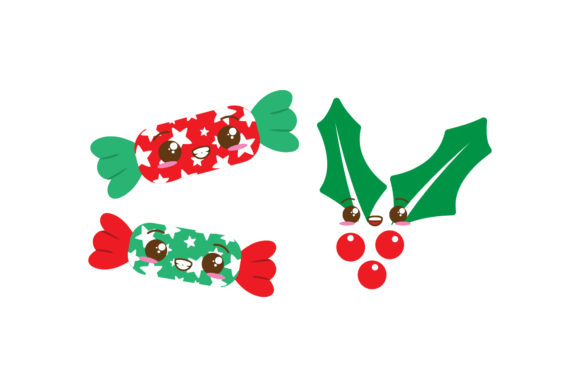
Hot Chocolate and Candy Christmas Set Review
As a professional embroidery designer who spends countless hours testing digital assets before they ever touch a needle, I approach every new graphic collection with a healthy dose of skepticism. We have all downloaded beautiful illustrations that look stunning on screen but turn into thread nests or muddy details once stitched out. When evaluating the Hot Chocolate and Candy Christmas Set, my primary focus was not just its visual charm as a digital illustration, but its structural integrity as a machine embroidery design. This set, available in AI, EPS, SVG, DXF, JPG, and PNG formats with a canvas size of 1920 px by 1280 px, presents a versatile foundation for holiday projects. However, translating these graphics into a finished product requires understanding how vector lines interact with fabric texture and stitch density.
First Impressions and Visual Personality
The immediate mood of this collection is undeniably cozy and nostalgic. The composition balances playful candy elements with the warmth of hot chocolate, creating a visual narrative that feels handmade and inviting rather than corporate or sterile. For an Etsy seller or boutique owner, this aesthetic is gold because it aligns perfectly with current market trends favoring cottage-core and traditional holiday vibes. As graphics, the lines are clean and distinct, which is the first indicator of a successful embroidery conversion. Intricate shading often gets lost in translation, but these illustrations rely on bold shapes and clear silhouettes. This clarity suggests that whether you are using them as an applique design foundation or converting them directly to satin stitch and fill stitch areas, the core identity of the image will remain intact after stitching.
Real-World Application: Stitching a Holiday Tote Bag
To truly judge the viability of the Hot Chocolate and Candy Christmas Set, I mentally mapped it onto a specific project: a natural cotton canvas tote bag intended as a personalized gift or retail item. Tote bags are a staple for any craft business, but they present unique challenges due to the coarse weave of canvas and the need for durability. In this scenario, the larger elements of the hot chocolate mug would serve as an excellent centerpiece. Because the source files include scalable vectors like AI and EPS, resizing the design to fit a 5x7 hoop or larger is possible without pixelation, provided you adjust your stitch parameters accordingly.
When planning this embroidery project, I considered how the candy accents would function as decorative borders or corner motifs. On a tote bag, you want high contrast. If stitching on natural canvas, using rich reds, deep browns, and creamy whites ensures the design pops. The simplicity of the graphics allows for color blocking, which reduces stitch count compared to complex photorealistic embroidery. This efficiency is crucial for commercial embroidery where time equals money. A customer receiving this finished product should feel the texture of the stitches complementing the fabric, not fighting against it. The design’s layout leaves adequate negative space, making it easy to add custom monograms or names below the main motif, significantly increasing its value as a personalized gift.
Navigating Fabric Limitations and Hoop Sizes
While the Hot Chocolate and Candy Christmas Set is versatile, practical experience dictates caution when moving away from stable woven fabrics. If you are applying this to stretchy knit sweatshirts or baby clothes, the open areas of the design could distort if the stabilizer is insufficient. Knits require a cut-away stabilizer to maintain registration between the running stitch outlines and the fill stitch interiors. Without this, the candy details might shift, resulting in a sloppy finished product that undermines customer trust.
Furthermore, consider the hoop size relative to the detail level. While the 1920 px by 1280 px canvas offers ample resolution for digital mockups, physical stitching has minimum size constraints. Tiny text or minute sprinkles within the candy graphics may need to be simplified or removed for small hoop sizes like 4x4. Attempting to force intricate details into a dense area on thin fabric can lead to puckering or needle damage. Always test stitch on scrap fabric that matches your final project’s weight and texture. If you are creating patches or caps, verify that the curved surface won’t distort the circular geometry of the hot chocolate mug. Caps, in particular, require designs specifically digitized for cylindrical hoops; standard flat graphics may need modification to stitch correctly on curved brims.
Commercial Viability for Makers and Sellers
For creative entrepreneurs and small shop owners, the true test of any asset is its return on investment. The Hot Chocolate and Candy Christmas Set excels here because of its format flexibility. Having access to SVG and DXF files means you can easily modify the design in software like Illustrator or specialized embroidery programs to create variations without starting from scratch. This adaptability allows you to offer a cohesive collection of holiday embroidery products—from aprons to tea towels—while maintaining brand consistency.
The included JPG and PNG files are equally valuable for creating printable mockups and digital product previews. Before committing thread to fabric, use these raster images to show clients exactly what their custom apparel or holiday gift will look like. This step manages expectations and reduces revision requests. When listing items on Etsy or at craft fairs, professional presentation drives buyer engagement. High-quality visuals derived from the original 1920 px by 1280 px canvas ensure your listings look crisp and trustworthy. Remember to confirm licensing terms before selling finished items or digital derivatives; knowing your commercial rights protects your business and ensures ethical use of design assets.
Essential Designer Notes for Success
Before launching this design into production, adhere to these practical checkpoints to ensure professional results:
- Test Stitch First: Never run a new design directly on a sellable item. Use scrap fabric with similar weight and weave to check tension and registration.
- Evaluate Thread Colors: Compare your physical thread palette against the digital file. Screen colors differ from rayon or polyester sheen; select threads that provide necessary contrast against your chosen fabric background.
- Check Stitch Density: Ensure the design isn’t too dense for lightweight fabrics or too sparse for heavy textiles. Adjust density settings in your embroidery software if the original conversion feels bulletproof or flimsy.
- Verify Small Details: Inspect tiny elements like candy stripes or steam wisps. If they are smaller than 1mm, consider converting them to running stitch or removing them to prevent thread breaks.
- Mockup in Black and White: Viewing the design in grayscale helps identify value contrast issues that color might hide. If the design looks muddy in black and white, it will lack definition when stitched.
- Stabilizer Selection: Match stabilizer type to fabric. Use tear-away for stable wovens like canvas tea towels and cut-away for stretchy knits used in sweatshirt embroidery or baby items.
- Licensing Confirmation: Double-check whether the license permits commercial sale of finished products versus digital files. This distinction is vital for Etsy sellers and digital product vendors.
The Hot Chocolate and Candy Christmas Set offers a delightful blend of seasonal charm and functional versatility. By treating it not just as a pretty picture but as a technical blueprint for stitching, makers can transform these graphics into high-quality, profitable embroidered goods. Whether you are crafting a bespoke holiday gift or stocking your shop with festive merchandise, success lies in respecting the relationship between digital art and physical thread. With proper testing and thoughtful application, this set can become a reliable workhorse in your holiday production lineup, delivering joy to customers and ease to your creative workflow.