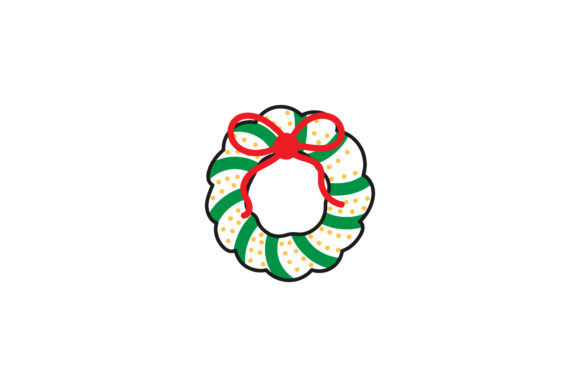
Pie and Cookies Christmas Asset Set Review
As a professional embroidery designer who spends countless hours digitizing and testing assets for client projects, I approach every new graphic collection with a healthy dose of skepticism. We have all downloaded beautiful illustrations that look stunning on screen but turn into thread nests or unrecognizable blobs once they hit the hoop. When I first opened the Pie and Cookies Christmas Asset Set, my immediate focus was not just on the festive charm, but on the structural integrity of the artwork for translation into stitch. This set, available in AI, EPS, SVG, DXF, JPG, and PNG formats with a canvas size of 1920 px X 1280 px, presents itself as a versatile foundation for holiday merchandise. However, moving from a digital graphic to a tangible embroidery project requires a critical eye for detail, density, and fabric compatibility.
First Impressions: Visual Warmth Meets Technical Potential
The initial mood of this asset set is undeniably cozy. It captures that specific nostalgic warmth associated with holiday baking, which is a high-converting aesthetic for Etsy sellers and small shop products. The lines are clean, and the separation between elements like the pie crust texture and cookie outlines appears distinct enough to suggest good digitizing potential. As an illustration category graphic, it avoids the cluttered complexity that often plagues holiday designs. Instead, it offers clear silhouettes that read well even at smaller sizes.
For a craft business owner, this visual clarity is paramount. When customers browse printable mockups or digital previews, they need to instantly understand what the finished product will look like. The Pie and Cookies Christmas Asset Set succeeds here because the shapes are bold without being cartoonish. It strikes a balance that appeals to both buyers looking for cute baby embroidery items and those seeking sophisticated kitchen towel accents. The inclusion of vector formats like AI and EPS is a significant advantage, allowing me to adjust anchor points and simplify paths before generating a machine embroidery design, ensuring the final stitch file is optimized rather than auto-digitized.
Real-World Application: Stitching the Holiday Bakery Tote
To truly evaluate this set, I mentally mapped it onto a current client request: a series of natural canvas tote bags for a local bakery’s holiday market stall. This scenario tests the design's versatility across commercial embroidery and retail presentation. For a tote bag design, durability and legibility are key. The bag will be stuffed, carried, and potentially washed, meaning the embroidery must withstand stress.
Using the SVG or DXF files from this set, I envisioned creating a hybrid applique design combined with detailed stitching. The pie element works beautifully as an applique, reducing stitch count and adding tactile texture that mimics actual pastry. The cookies, conversely, benefit from a mix of satin stitch borders and fill stitch interiors to create dimension. In this real-life application, the Pie and Cookies Christmas Asset Set serves as more than just a pretty picture; it acts as a blueprint for a high-value handmade product. The visual hierarchy allows for personalization, such as adding the bakery’s name in a complementary font beneath the graphics, making it a perfect custom apparel or branding asset.
Navigating Fabric Challenges and Hoop Limitations
While the artwork is strong, practical execution requires caution. Not every item in this set will perform equally across all substrates. When planning sweatshirt embroidery, specifically on fleece or French terry, the textured surface can swallow fine details. If you attempt to stitch tiny crumbs or delicate steam lines from the pie using a standard running stitch, they may disappear into the fabric pile. In these cases, I recommend thickening the lines during the editing phase or utilizing a topping stabilizer to keep the stitches crisp.
Conversely, when working with lightweight fabrics for baby clothes or tea towels, stitch density becomes the primary concern. A dense fill stitch intended for heavy canvas can cause puckering or tearing on thin cotton. Because this asset set guarantees editability, you must take responsibility for adjusting the underlay and density settings to match your specific material. Additionally, consider your hoop size. While the 1920 px X 1280 px canvas provides ample resolution for large placements, resizing down for a 4x4 hoop requires verifying that small details remain open and do not merge. Always test on scrap fabric that matches your final project’s weight and weave before committing to a production run.
Elevating Product Value and Customer Trust
In the competitive landscape of holiday embroidery, the difference between a generic item and a premium personalized gift often lies in the quality of the source art. Using well-structured design assets like the Pie and Cookies Christmas Asset Set signals professionalism to your buyers. When the proportions are correct and the style is cohesive, it builds brand consistency across your shop. Whether you are selling embroidered patches, aprons, or nursery decor, consistent visual language helps customers recognize your work instantly.
Furthermore, high-quality graphics translate to better digital embroidery file outcomes. Clean vectors result in smoother stitch paths, fewer jumps, and less thread waste. This efficiency matters for creative entrepreneurs watching their margins. Beyond economics, the aesthetic appeal directly influences perceived value. A beautifully rendered pie and cookie motif evokes sensory memories of taste and smell, creating an emotional connection that drives sales. This emotional resonance is what turns a simple graphic into a cherished heirloom or a best-selling boutique item.
Essential Designer Notes for Safe Implementation
Before you load this set into your software or send it to a contract digitizer, adhere to these practical guidelines to ensure success:
- Verify Licensing: Although the set mentions editability, always confirm the specific commercial license terms regarding selling finished goods versus reselling the digital files themselves.
- Test Contrast: Create black and white mockups to ensure the design relies on shape and texture rather than just color contrast. This ensures visibility on dark fabrics where thread colors might blend together.
- Check Small Details: Inspect the smallest elements in the AI or EPS file. If a detail is thinner than 1mm, it likely needs to be enlarged or removed to prevent needle breaks or poor registration.
- Stabilizer Selection: Match your stabilizer to the fabric, not just the design. Stretchy knits require cut-away backing, while woven linens for holiday gifts may only need tear-away.
- Mockup Accuracy: Use the included PNG and JPG files for realistic listing photos, but ensure they accurately represent the stitch-out limitations. Do not promise detail in the print preview that cannot be achieved in thread.
- Edit Before Digitizing: Utilize the vector files to simplify complex intersections. Fewer overlapping stitch areas mean a softer, more comfortable wear on custom apparel.
The Pie and Cookies Christmas Asset Set offers a robust starting point for makers and professionals alike. Its strength lies in its clean aesthetic and multi-format availability, which supports everything from quick craft fair products to elaborate wedding gifts. By approaching this asset set with technical mindfulness and respecting the relationship between digital art and physical thread, you can transform these charming illustrations into profitable, high-quality embroidered goods that stand out in a crowded marketplace. Remember, the best embroidery file is one that has been thoughtfully adapted for its specific end use, ensuring both maker satisfaction and customer delight.