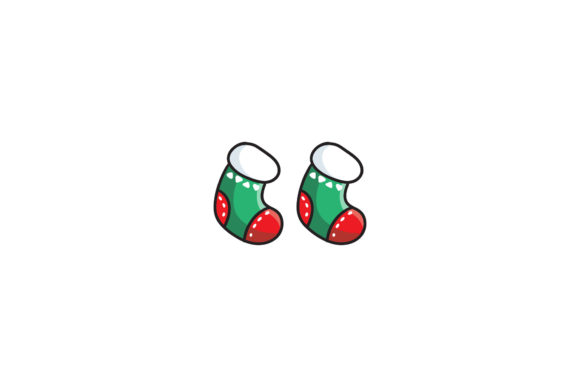
Stocking Gloves Set Christmas Vector Review
As a professional embroidery designer and product reviewer, I approach every new graphic asset with a critical eye toward its final stitched reality. When evaluating the Stocking Gloves Set Christmas Vector, my primary concern is not just how charming it looks on a screen, but how effectively it translates into a tangible machine embroidery design. This collection of holiday illustrations offers a nostalgic, cozy aesthetic that immediately suggests specific applications for custom apparel and home decor. However, moving from a digital vector to a physical finished product requires careful consideration of line weight, detail retention, and fabric compatibility.
First Impressions and Design Personality
The visual mood of this set is undeniably warm and traditional. As Illustrations, these graphics possess a hand-drawn quality that avoids the sterile look of generic clip art. For an Etsy seller or boutique owner, this personality is crucial; customers are looking for items that feel curated and artisanal rather than mass-produced. The layout within the 1920 px x 1280 px canvas provides ample negative space, which is excellent for creating balanced compositions. When I look at these vectors, I see immediate potential for holiday embroidery projects like tea towels, nursery blankets, and festive sweatshirts. The shapes are distinct enough to work as standalone motifs or combined elements for a larger scene, making them versatile design assets for creative entrepreneurs.
Real-World Application: The Custom Tote Bag Test
To truly judge the viability of the Stocking Gloves Set Christmas Vector, I mentally applied it to a recent client request: a series of personalized canvas tote bags intended as bridesmaid gifts. Canvas is a forgiving fabric, but it has a visible weave that can swallow fine details. In this scenario, the glove and stocking shapes serve as perfect frames for monograms or names.
For this tote bag design, I would utilize the vector outlines to create a clean satin stitch border. Because the source files include AI, EPS, SVG, DXF, JPG, and PNG formats, importing the crisp lines into digitizing software is seamless. The challenge here is scale. On a tote bag, you have plenty of room, so maintaining the integrity of the original illustration is easy. However, if I were adapting this for a baby embroidery project on a onesie, the strategy changes entirely. The smaller scale demands simplification. You cannot stitch every nuance of a complex vector onto stretchy jersey knit without risking puckering or thread breaks. This is where having editable vector files becomes invaluable; you can simplify nodes and thicken lines before ever generating a stitch file.
Navigating Fabric Textures and Hoop Limitations
While these graphics are beautiful, they require strategic placement based on material properties. I advise caution when using intricate versions of this set on highly textured fabrics like terry cloth or faux fur. The fabric texture will compete with the design, causing the stitching to get lost visually. In such cases, use a heavier fill stitch or increase the stitch density to ensure coverage, though this adds bulk.
Conversely, on thin or stretchy fabrics, high density is the enemy. If you are planning sweatshirt embroidery using this set, proper stabilization is non-negotiable. A cut-away stabilizer is essential to prevent the garment from distorting under the tension of the stitches. For small hoop sizes, resist the urge to shrink the entire composition. Instead, isolate individual elements—a single mitten or one stocking—to maintain clarity. Tiny lettering or ultra-thin decorative lines present in the original vector may need to be converted to a running stitch or removed entirely to ensure the embroidery file produces clean results. Always verify your machine’s minimum text height capabilities against the design details before committing to production.
Commercial Viability and Customer Perception
For those running a craft business or selling on platforms like Etsy, the professionalism of your output directly impacts customer trust. Using high-quality vectors like the Stocking Gloves Set Christmas Vector elevates the perceived value of your merchandise. Crisp edges and thoughtful color blocking signal quality. When creating printable mockups for listings, the included high-resolution JPG and PNG files allow you to showcase the design accurately before a single needle penetrates fabric. This transparency reduces returns and builds buyer confidence.
However, commercial success also hinges on technical durability. Products like kitchen towels and aprons face frequent washing. Ensure your digitized version of this vector uses secure tie-offs and appropriate underlay. A beautiful design that unravels after three wash cycles will destroy your reputation. Test the thread colors against both light and dark backgrounds; a red stocking on white fabric reads differently than on green. Contrast is key for visual appeal in photography and in person. Remember to check licensing terms explicitly regarding commercial embroidery usage to protect your business legally.
Essential Designer Notes for Success
Before launching a full production run using these graphics, adhere to these practical protocols:
- Test Stitch First: Never assume a digital preview equals physical perfection. Run a test on scrap fabric identical to your final project to check registration and density.
- Evaluate Stabilizer Needs: Match your stabilizer weight to both the fabric and the stitch count. Heavier designs on lighter fabrics require more support.
- Simplify for Scale: If resizing down for caps or baby items, manually adjust the vector paths. Automatic resizing often creates gaps or overlaps in stitching.
- Check Color Contrast: View your design in grayscale to ensure tonal separation remains clear regardless of thread hue.
- Verify File Compatibility: While AI, EPS, SVG, DXF, JPG, and PNG are provided, confirm your specific digitizing software imports them correctly without node distortion.
- Mockup Realistically: Use the provided raster images to create realistic previews, but add disclaimers about actual stitch texture versus printed appearance.
- Inspect Small Details: Zoom in to 400% in your software to identify areas too small to stitch cleanly and edit them out proactively.
Final Thoughts on Versatility
The Stocking Gloves Set Christmas Vector represents a strong foundation for seasonal collections. Its strength lies in its adaptability across various mediums, from delicate personalized gifts to robust small shop products. By treating these vectors as starting points rather than finished instructions, designers can leverage their charm while ensuring technical excellence. Whether you are creating an embroidered patch, decorating custom apparel, or designing digital assets, success comes from respecting the relationship between the digital line and the physical thread. Approach this set with technical mindfulness, and it will serve as a reliable staple in your holiday design repertoire.